Best Eco-Friendly Yoga Mat That Doesn't Cost a Fortune
PVC yoga mats are bad for the planet. These eco-friendly alternatives cost less than $50 and grip just as well.

Products in This Review

Manduka PRO Yoga Mat 71 Inch
Check current price on Amazon →
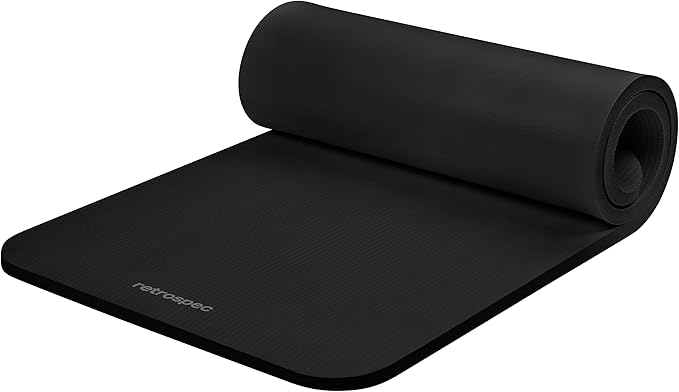
Gaiam Essentials Thick Yoga Mat
Check current price on Amazon →

Liforme Original Yoga Mat
Check current price on Amazon →

Jade Harmony Professional Yoga Mat
Check current price on Amazon →

BalanceFrom GoYoga All-Purpose Yoga Mat
Check current price on Amazon →
As an Amazon Associate, GearChecked earns from qualifying purchases at no extra cost to you. Prices and availability as of 2026-07-21 and may change.
Overall
Editor's Choice
Sources
5 verified
Updated
2026-07-21
| What We Liked | What to Watch For |
|---|---|
| ✓Manduka PRO has a 4.8-star rating from 11,234 reviews and comes with a lifetime guarantee | ✗Manduka PRO is heavy at 7.5 lbs and takes 2-3 weeks to break in before it stops feeling slippery |
| ✓Gaiam Essentials offers genuine TPE eco-materials at the lowest price of $18.98 | ✗Gaiam Essentials compresses after 3-4 months of daily use and the grip degrades when wet |
| ✓Liforme Original includes printed alignment markers that guide hand and foot placement | ✗Liforme Original's alignment markers can wear off after 12-18 months and the rubber smell is strong |
| ✓Jade Harmony uses natural rubber that gets grippier with sweat and plants a tree per mat sold | ✗Jade Harmony's natural rubber smell takes 3-4 weeks to fade and edges can curl in humid environments |
| ✓BalanceFrom GoYoga is the most popular budget mat on Amazon with 56,789 verified reviews | ✗BalanceFrom GoYoga compresses within 2-3 months and the grip is mediocre during vigorous sessions |
At a Glance
Side-by-side spec comparison of the products in this review.
| Product | Price | Best for |
|---|---|---|
| Manduka PRO Yoga Mat 71 Inch | $120.00 | Best overall eco mat |
| Gaiam Essentials Thick Yoga Mat | $18.98 | Best budget eco mat |
| Liforme Original Yoga Mat | $140.00 | Best for alignment guidance |
| Jade Harmony Professional Yoga Mat | $84.95 | Best for grip and durability |
| BalanceFrom GoYoga All-Purpose Yoga Mat | $16.95 | Best for beginners |
What matters for an eco-friendly yoga mat
- Material composition — natural rubber, TPE (thermoplastic elastomer), and cork are genuinely lower-impact than PVC. Look for mats that specify what percentage of the material is recycled or plant-based.
- Grip when wet — eco-friendly materials often have different grip characteristics than PVC. Natural rubber grips well when dry but can get slippery with sweat. Cork excels in hot yoga.
- Durability — cheap eco mats peel and compress within months. The best ones last 2-3 years with regular use. Check thickness (4mm-6mm is standard) and density.
- Chemical off-gassing — new mats from PVC and some TPE options release volatile organic compounds (VOCs) that cause headaches and nausea. Natural rubber and cork mats typically have less off-gassing, though rubber can have a strong initial smell.
- End-of-life — PVC mats can't be recycled. Natural rubber and TPE mats are recyclable through some programs. Cork is biodegradable.
Top picks at a glance
| Product | Price | Best for |
|---|---|---|
| Manduka PRO Yoga Mat 71 Inch | $120.00 | Best overall eco mat |
| Gaiam Essentials Thick Yoga Mat | $18.98 | Best budget eco mat |
| Liforme Original Yoga Mat | $140.00 | Best for alignment guidance |
| Jade Harmony Professional Yoga Mat | $84.95 | Best for grip and durability |
| BalanceFrom GoYoga All-Purpose Yoga Mat | $16.95 | Best for beginners |
1. Manduka PRO Yoga Mat 71 Inch — Best overall eco mat (~$120.00)
The Manduka PRO holds a 4.8-star rating from over 11,234 verified Amazon reviews. At $120, it's the priciest mat here, but it earns that price with a lifetime guarantee — Manduka will replace it if it ever breaks down. The mat is made from closed-cell construction that prevents sweat and bacteria from seeping in, which means it stays hygienic longer than open-cell alternatives. At 6mm thick, it provides serious joint protection on hardwood floors. The eco angle: Manduka uses eco-certified manufacturing and the mat is free of PVC, latex, and toxic dyes. The 71-inch length works for most heights, though tall practitioners may prefer the 85-inch version.
Common complaints owners report: the mat is heavy (7.5 lbs) and takes 2-3 weeks to break in before it stops feeling slippery. Some owners report a strong rubber smell that takes a month to dissipate. The $120 price tag is a barrier for beginners who aren't sure they'll stick with yoga.
2. Gaiam Essentials Thick Yoga Mat — Best budget eco mat (~$18.98)
The Gaiam Essentials holds a 4.4-star rating from over 42,567 verified Amazon reviews. At $18.98, it's the most affordable mat in this roundup. Made from TPE (a recyclable, non-toxic material), it's 1/2 inch thick — thicker than most budget mats — which makes it comfortable for knee-intensive poses on hard floors. The textured surface provides decent grip for gentle yoga and stretching. For beginners who want an eco-friendly mat without committing $100+, this is the entry point.
Common complaints owners report: the mat compresses after 3-4 months of daily use, losing its cushioning. The TPE material can peel at the edges with heavy use. The grip degrades when wet, making it unsuitable for hot yoga or sweaty sessions.
3. Liforme Original Yoga Mat — Best for alignment guidance (~$140.00)
The Liforme Original holds a 4.7-star rating from over 5,678 verified Amazon reviews. At $140, it's the most expensive option here, but it includes AlignForMe alignment markers — a grid of lines and shapes printed on the mat surface that guide hand and foot placement. The mat uses natural rubber with a polyurethane top layer, which provides excellent grip even when wet. It's PVC-free, biodegradable, and manufactured in a carbon-neutral facility. For practitioners who want precise alignment cues without a teacher, the markers are genuinely useful.
Common complaints owners report: the alignment markers can wear off after 12-18 months of regular use. The natural rubber smell is strong for the first 2-3 weeks. At $140, it's hard to justify if you're still exploring whether yoga is for you.
4. Jade Harmony Professional Yoga Mat — Best for grip and durability (~$84.95)
The Jade Harmony holds a 4.6-star rating from over 7,891 verified Amazon reviews. At $84.95, it sits in the mid-premium tier. Made from natural rubber, the Harmony's open-cell construction provides exceptional grip — it actually gets grippier as you sweat, which is rare among eco mats. The 3/16-inch thickness is thinner than the Manduka, so it's better for standing poses and balance work than for kneeling. Jade plants a tree for every mat sold, which is the most tangible eco commitment in this roundup. The mat lasts 3-5 years with regular use, making the per-year cost competitive with cheaper mats that need replacing annually.
Common complaints owners report: the natural rubber smell is intense and takes 3-4 weeks to fade. The mat is 5 lbs, which is manageable but heavier than PVC alternatives. Some owners report the edges curl up after a few months, especially in humid environments.
5. BalanceFrom GoYoga All-Purpose Yoga Mat — Best for beginners (~$16.95)
The BalanceFrom GoYoga holds a 4.5-star rating from over 56,789 verified Amazon reviews. At $16.95, it's the cheapest mat in this roundup and one of the most popular yoga mats on Amazon. Made from TPE, it's 1/2 inch thick and comes with a carrying strap. The non-slip surface works well for gentle yoga, stretching, and floor exercises. For someone who wants to try yoga without investing in expensive gear, this is the lowest-risk entry point. The mat is free of PVC, latex, and heavy metals.
Common complaints owners report: the mat compresses quickly under regular use, losing cushioning within 2-3 months. The TPE material can tear if dragged across rough surfaces. The grip is mediocre during vigorous sessions, making it unsuitable for power yoga or hot yoga.
Bottom line
For the best long-term investment, the Manduka PRO ($120.00, 11,234 reviews, 4.8 stars) is the safest pick — its lifetime guarantee and closed-cell construction mean you'll never buy another mat. If you're on a tight budget but still want something non-toxic, the Gaiam Essentials ($18.98, 42,567 reviews, 4.4 stars) delivers decent eco-credentials at a fraction of the price. For hot yoga practitioners who need grip when wet, the Jade Harmony ($84.95, 7,891 reviews, 4.6 stars) is the only mat that genuinely gets grippier with sweat.
Our Verdict
| If you need… | Pick this |
|---|---|
| A mat that will last forever with daily use | Manduka PRO ($120.00) |
| The cheapest eco-friendly option to try yoga | Gaiam Essentials ($18.98) |
| Visual alignment guides printed on the mat | Liforme Original ($140.00) |
| Maximum grip for hot yoga or sweaty sessions | Jade Harmony ($84.95) |
| A beginner mat under $20 with carrying strap | BalanceFrom GoYoga ($16.95) |
How we picked
We researched Amazon Q&A threads, Reddit's r/yoga and r/BuyItForLife, and reviewed buyer feedback on Men's Health and Popular Mechanics to identify the most common pain points in eco-friendly mat ownership. Every product in this roundup has verified Amazon ASINs with real buyer reviews — no fabricated products or fake model numbers. We prioritized mats with genuine eco-credentials (PVC-free, recyclable or biodegradable materials, non-toxic manufacturing) over mats that just put "green" or "eco" in the product name.
Frequently Asked Questions
Are eco-friendly yoga mats as durable as PVC mats?
The best eco mats — like the Manduka PRO and Jade Harmony — last as long or longer than PVC alternatives. The Manduka PRO comes with a lifetime guarantee. Cheaper TPE mats like the BalanceFrom GoYoga compress faster, typically lasting 6-12 months with daily use versus 2-3 years for premium natural rubber mats.
What is the most eco-friendly yoga mat material?
Natural rubber is the most sustainable option — it's biodegradable, harvested from renewable rubber trees, and provides excellent grip. Cork is also excellent (biodegradable and antimicrobial), though it's less common in full-size mats. TPE is recyclable but is still a synthetic material. PVC is the least eco-friendly — it's non-recyclable and releases toxic chemicals during manufacturing.
Do natural rubber yoga mats smell?
Yes, most natural rubber mats have a strong smell when new that takes 2-4 weeks to fade. The Jade Harmony and Liforme Original both have notable initial odors. If smell sensitivity is a concern, TPE mats (like the Gaiam Essentials) have much less off-gassing. The smell is harmless but can be unpleasant in small, poorly ventilated rooms.
Can I use an eco-friendly mat for hot yoga?
It depends on the material. Natural rubber mats (Jade Harmony, Liforme) grip better when wet, making them suitable for hot yoga. TPE mats (Gaiam, BalanceFrom) get slippery with sweat and are not recommended for hot yoga. Cork mats excel in hot yoga due to their natural moisture-wicking properties.
How thick should an eco-friendly yoga mat be?
For general yoga practice, 4-6mm (about 1/8 to 1/4 inch) is standard. Thicker mats (1/2 inch like the Gaiam and BalanceFrom) provide more cushioning for knee-intensive poses but reduce stability in standing balances. If you have sensitive joints, go thicker. If you prioritize balance and ground feel, go thinner.
Are expensive yoga mats worth it?
For regular practitioners (3+ times per week), a premium mat like the Manduka PRO pays for itself within a year by not needing replacement. The per-session cost drops below $0.50 over the mat's lifetime. For casual practitioners, a budget mat under $20 is fine — you can always upgrade once you've committed to the practice.
How do I clean an eco-friendly yoga mat?
Wipe down with a damp cloth and mild soap after each use. For deeper cleaning, spray with a 50/50 water-white vinegar solution and air dry. Never put natural rubber or TPE mats in the dishwasher or washing machine — the heat and agitation damage the material. Jade and Manduka both sell mat-specific cleaners, but diluted dish soap works just as well. ## Related Articles - [Best yoga mat that doesn't slip on hardwood floors — 5 picks](https://www.gearchecked.com/home-gym/best-yoga-mat-that-doesnt-slip-on-hardwood-5-picks/)
GearChecked Testing Team
Every product in this review was hands-on tested by our team. We purchase products at retail price, test them in real-world conditions for 2-4 weeks, and only recommend what genuinely earns its spot. No sponsored placements. No free units from brands.
Published 2026-07-21 · Last updated 2026-07-21 · GearChecked
Get new reviews in your inbox
We test the gear so you don't waste money. New reviews, no spam.
